Heritage consultant David Hicks brings us the stories behind some of East Lothian’s historic properties.
Appointing Frank Tindall as East Lothian’s first county planning officer in 1950 must have been an easy decision, as he was the only applicant. It was also truly momentous in terms of how the county looks today. Frank was a maverick, prepared to take an unorthodox approach, to cajole but also to firmly stand his ground, even if it put his job at risk. He championed re-using old buildings and respecting ancient street plans at a time when most local authorities were bulldozing historic towns in the name of progress.
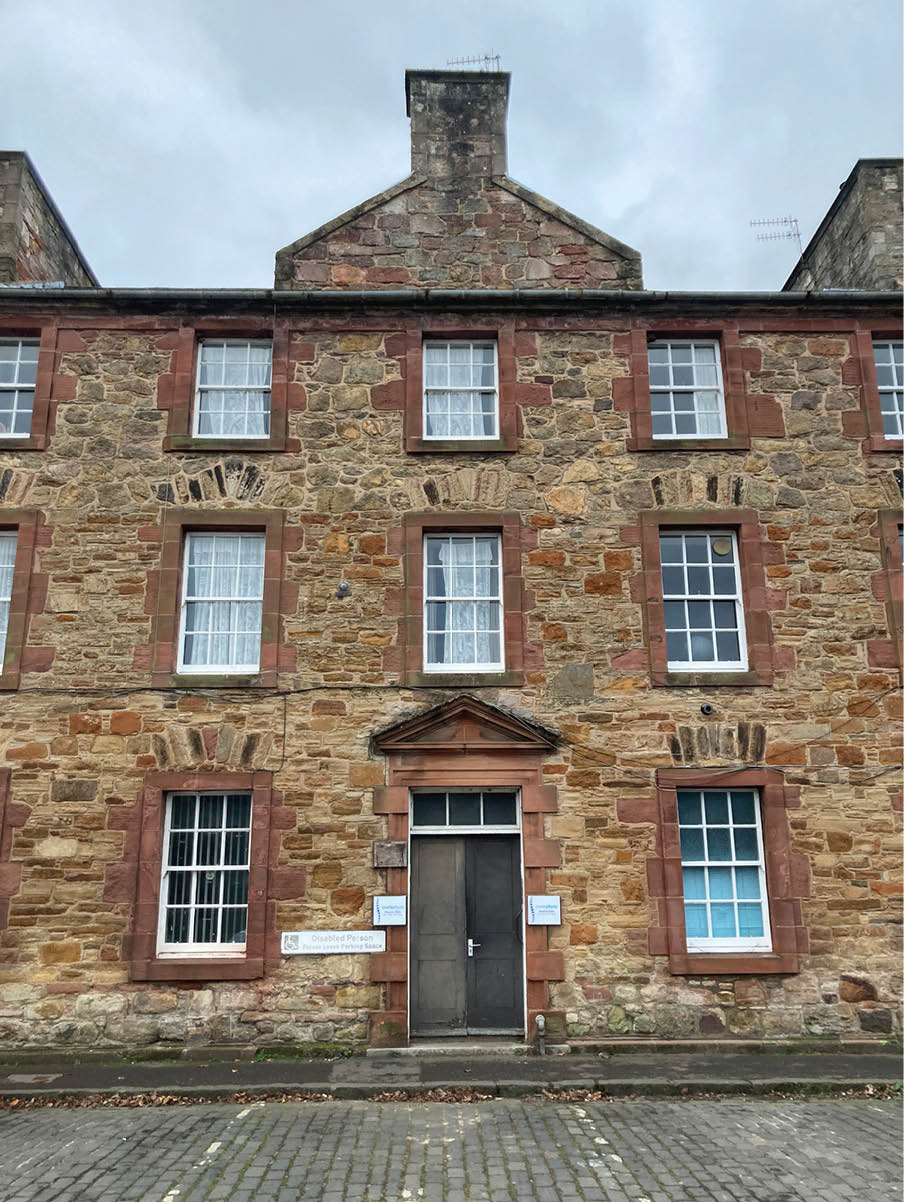
In Haddington, he led by example, buying an old house that had been condemned and restoring it as his family home. Tindall convinced the council to buy a dilapidated Georgian property in Church Street for £1, re-developing it as housing for re-settled families from Glasgow. In Mitchell’s Close, he led a project to convert a collection of 17th-century buildings into craft workshops, a weaver’s loft and flats.
The High Street was given a comprehensive facelift, with shops painted to a new uniform scheme, and some persuaded to display a golden hanging sign representing their trade. You can still see the pestle and mortar outside Boots and the horse at Mains the saddlers.
Tindall also stepped in to help save two highly significant buildings in North Berwick. The distinctive old warehouses at the harbour had lain empty for many years, and were falling into serious disrepair. Proposals were drawn up for a development based on a seafood restaurant on the first floor. The restaurant failed to materialise, but the renovation was lauded as an exemplar of conservation. The Lodge was another building under threat, but persuading the National Trust for Scotland to provide a grant allowed it to be developed as private housing.
Tindall’s influence can be seen in new developments, too, many of which were award-winning in their day. Muirfield Park in Gullane is a good example, with a broad lime tree avenue and a deliberate mixture of housing association and private builders, creating
a sense of an overall plan but with an interesting variety of house styles.
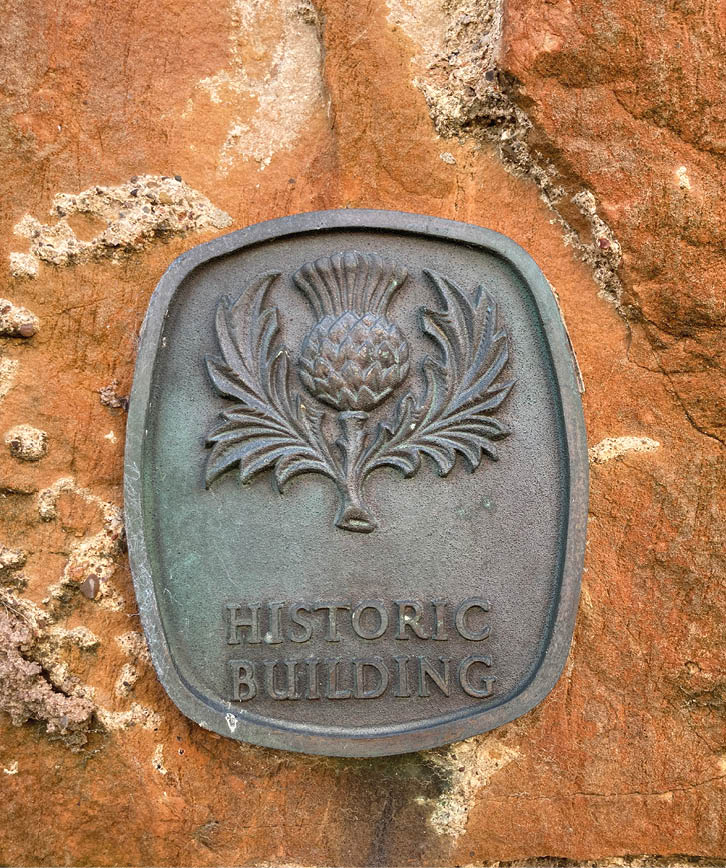
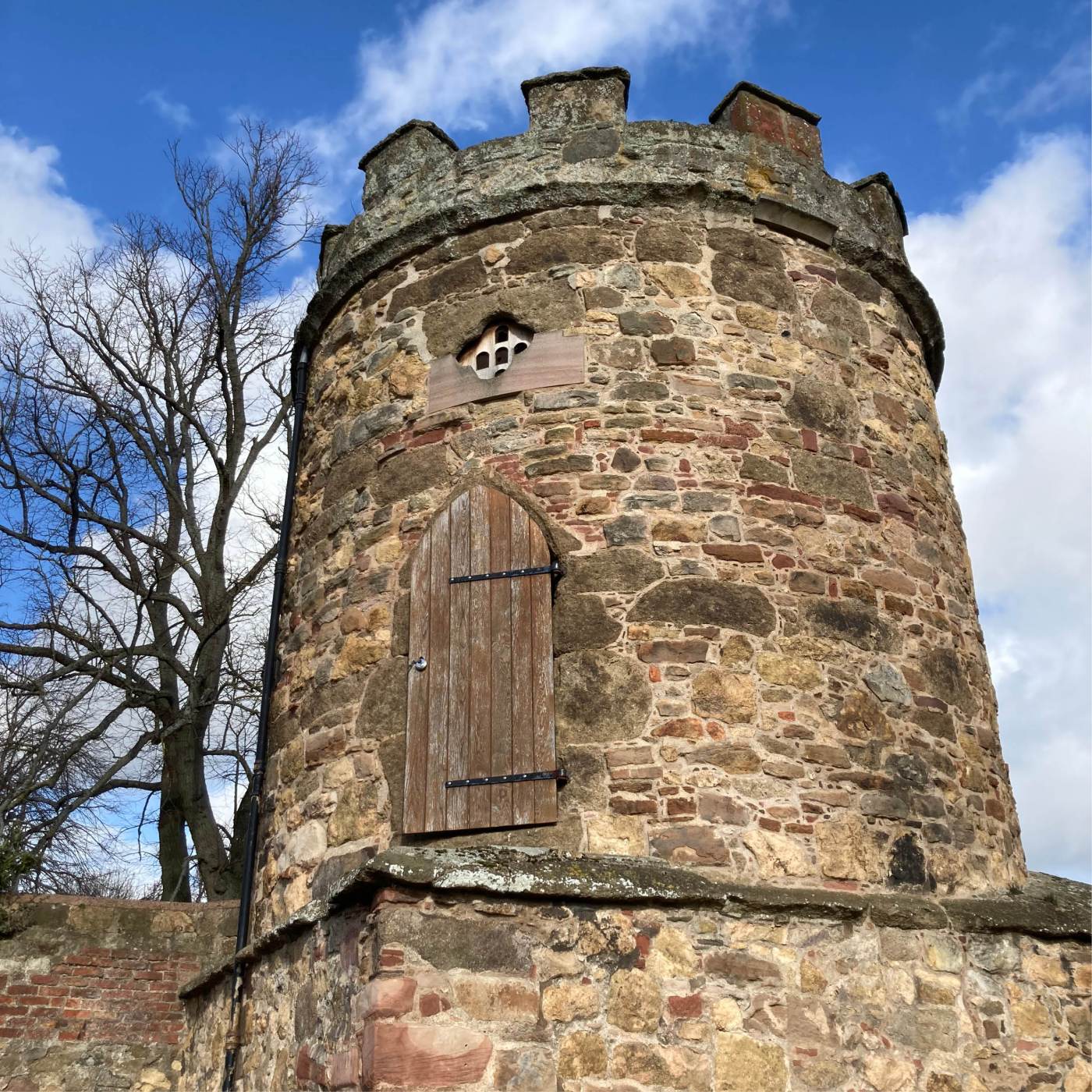
Frank pioneered different ways of telling the stories of East Lothian’s historic buildings. Look closely in Haddington and you can still see panels produced by him, explaining the historic features of nearby buildings. Another scheme saw the fixing of small bronze plaques to all the listed buildings in the county. In 1975, he established an exhibition telling the story of Haddington in Lady Kitty’s Doocot, giving the building a use which helped to ensure its survival.
Frank Tindall’s legacy is evident anywhere you look in East Lothian. His sheer enthusiasm and determination played a key part in making the county the attractive place to live it is today.